

If you’re considering adopting your first-ever pet, you’re probably looking for something calm, small, and pretty low maintenance—jumping into the deep end is rarely ever a good idea for first-time pet parents, after all. Perhaps you might be looking into adopting a cat, dog, hamster, or maybe even something as small as a goldfish…but what about a mini-snake?
Despite the negative association many people have with snakes, there’s more to these scaly creatures than deadly king cobras and man-eating constrictors. With well over 3,000 known snake species from across the world, there’s an incredible range of diversity between snakes, and many tiny pet snake breeds possess the perfect traits for a first-time pet owner and snakes for kids: they’re mellow, small, and surprisingly easy to care for, making them easy pet reptiles. That is, as long as you set them (and yourself) up for success.
Benefits of Choosing a Small Snake
While there are many potential pet snake species, ranging from very small to very large—reticulated pythons, for example, can grow up to 20 feet on average—first-timers will want to choose one of the tinier species, as they are the best snakes for beginners. The reasons for this are practical: small pet snakes don’t require massive enclosures, they’re often easier (and safer) to handle, and they don’t require as much food as larger species. Most (if not all) of the species listed here can live comfortably in a 30-gallon tank based on their estimated adult size, and their diets consist of small prey like rats, worms, and slugs.
Related: First Few Days With a New Pet Snake
8 Best Small Snake Species for Beginners
Rosy Boa
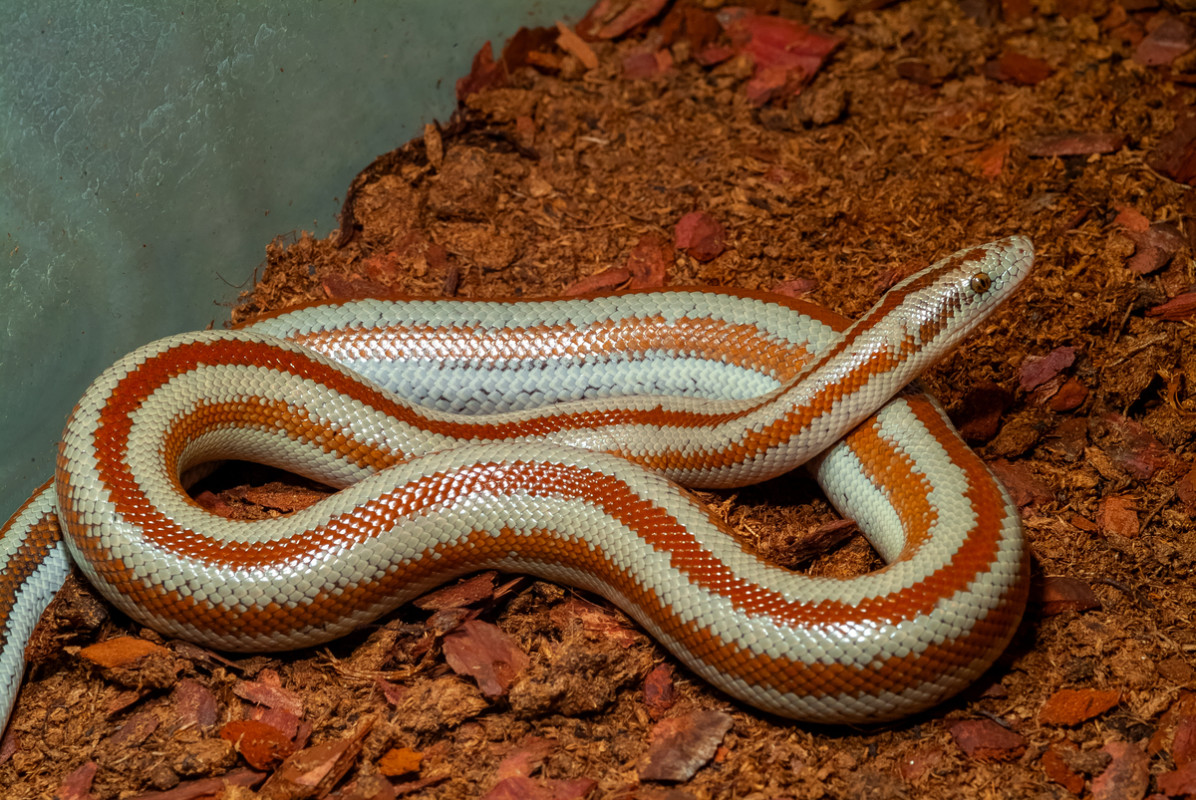
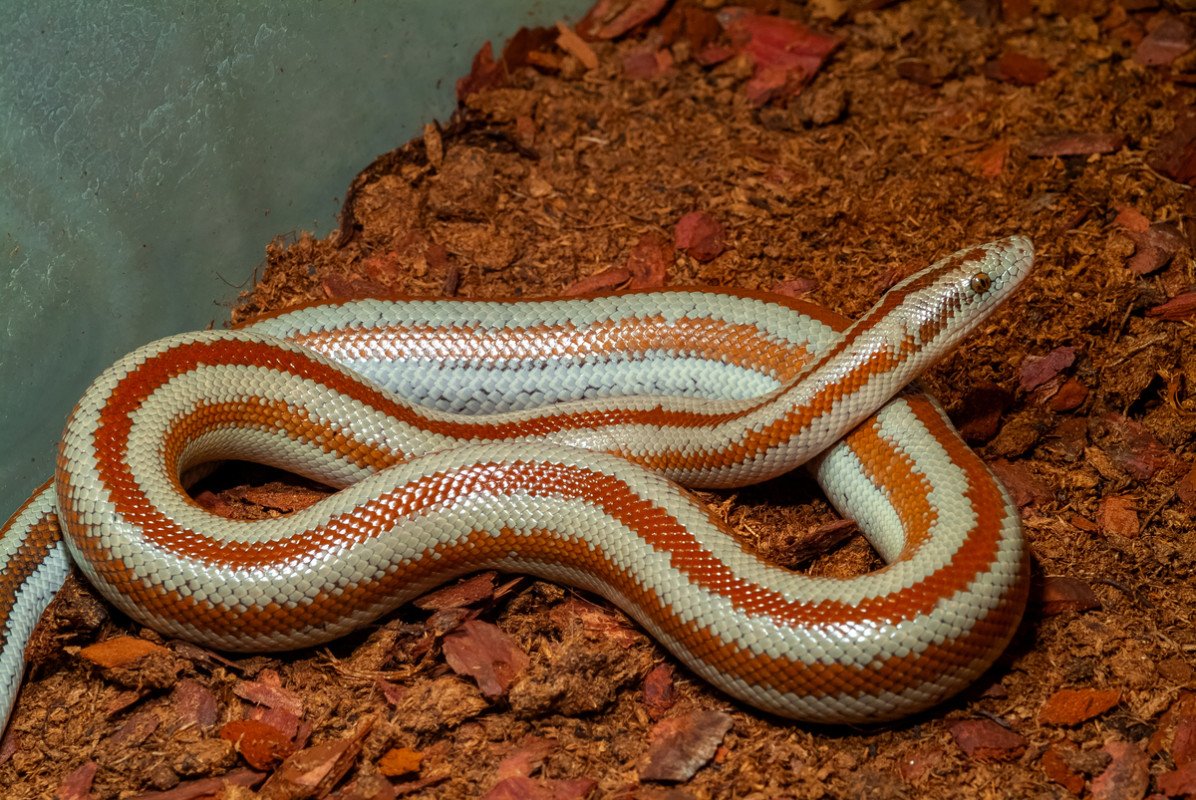
Don’t let the “boa” in the name fool you. Unlike boa constrictors, which can grow to be easily 2-3 times as long as their human parents are tall, rosy boas never grow larger than four feet long at most. They’re also remarkably docile and even-tempered snakes, moving slowly and rarely displaying aggression towards their owners (just be careful where you put your fingers while feeding them—rosy boas are very food motivated). If you want a mellow, easygoing, and small pet snake that you can handle without fear, rosy boas are a great fit.
Kenyan Sand Boa
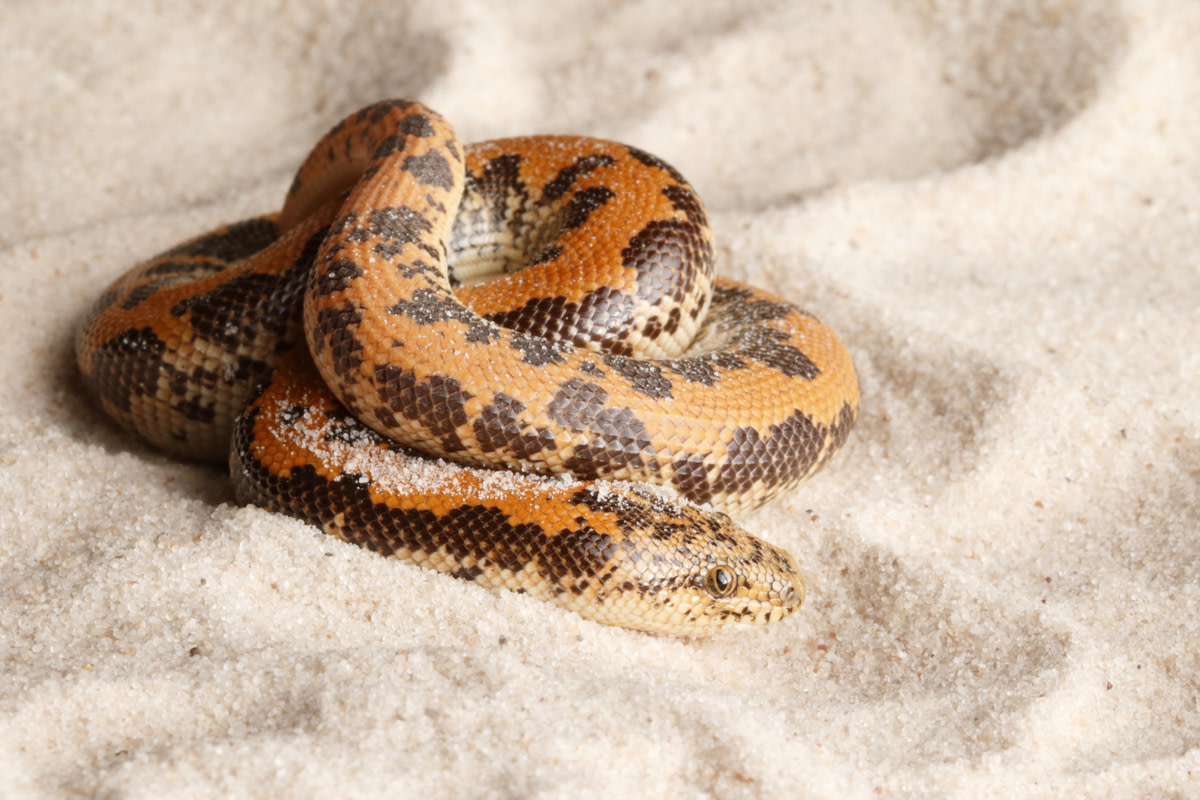
Of all the pet snake breeds, Kenyan sand boas are popular among reptile lovers for their slightly doofy faces, colorful scales, and easy-going, docile personalities. Kenyan sand boas only need to eat about once every two weeks, and when they’re not snacking, they enjoy burrowing into the ground, lying in wait for prey just as they do in the wild. Your Kenyan sand boa’s enclosure will need to be warm, fairly arid (30-50% humidity), and have several inches of substrate to bury themselves in.
Milk Snake
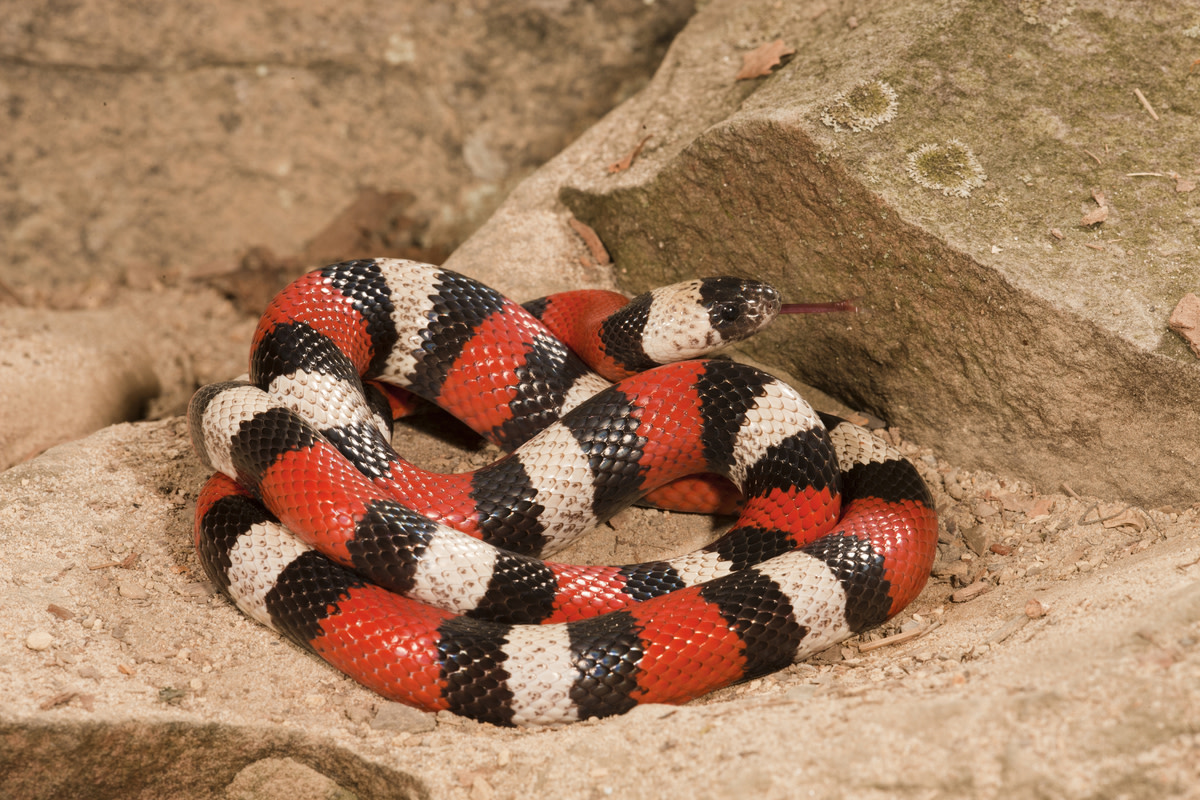
Despite their infamous resemblance to venomous coral snakes, milk snakes are completely harmless and are popular pet snakes for beginners. Milk snakes are colubrids, a large family of snakes that also includes popular pet snake breeds like corn and king snakes, so they share many of the same positive attributes as their cousins: they’re small, good eaters, adapt well to handling, and active in their enclosures, burrowing and climbing to their heart’s content.
Children’s Python
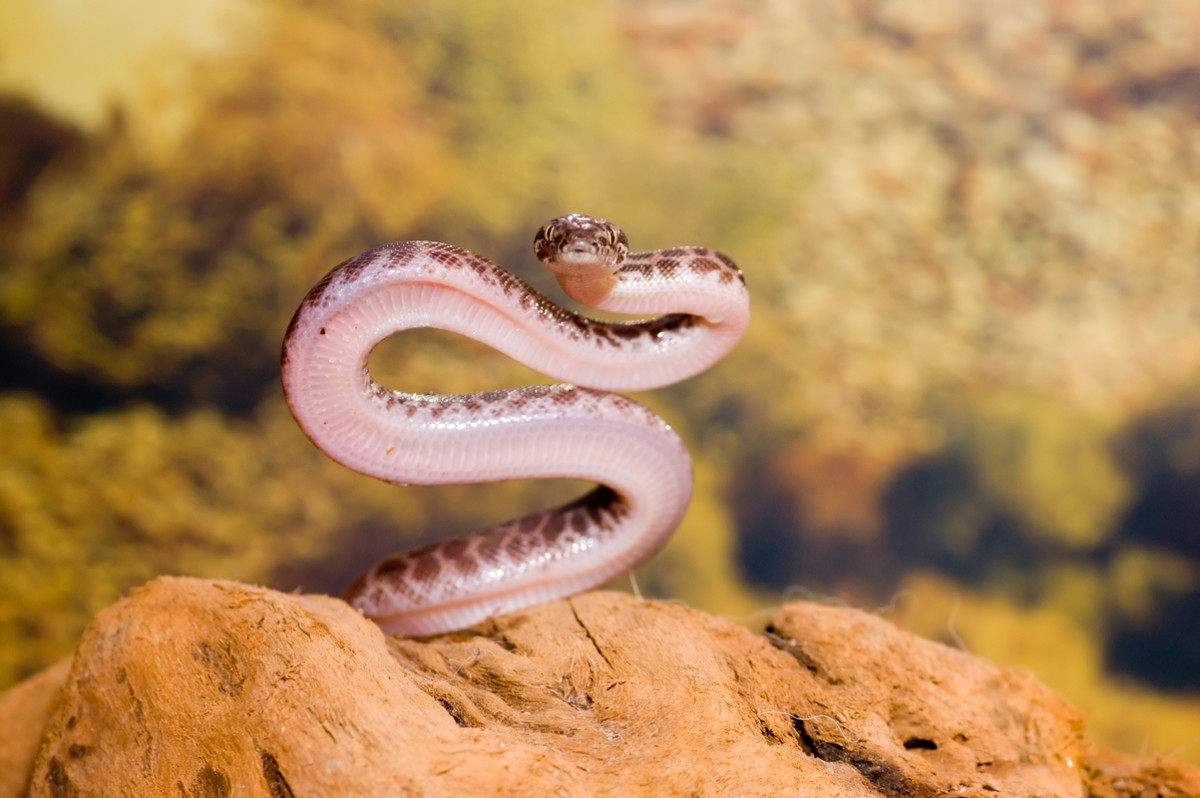
Let’s talk pythons! Ball pythons are a very popular pet snake species, and as a co-parent to four very cute ball pythons, I’m pretty fond of them myself. However, ball pythons can grow up to 6 feet long and are picky eaters who are sometimes prone to months-long “hunger strikes,” making them potentially challenging for first-time snake owners. A more beginner-friendly alternative, then, is the Children’s python.
Originally hailing from Australia, Children’s pythons are small (2-4 feet long at most) and are far less picky than their ball python relatives, making meal times a lot easier on their frazzled parents. They’re also long-lived, easy to handle, and love to climb—so make sure they’ve got plenty of branches in their enclosure!
Garter Snake
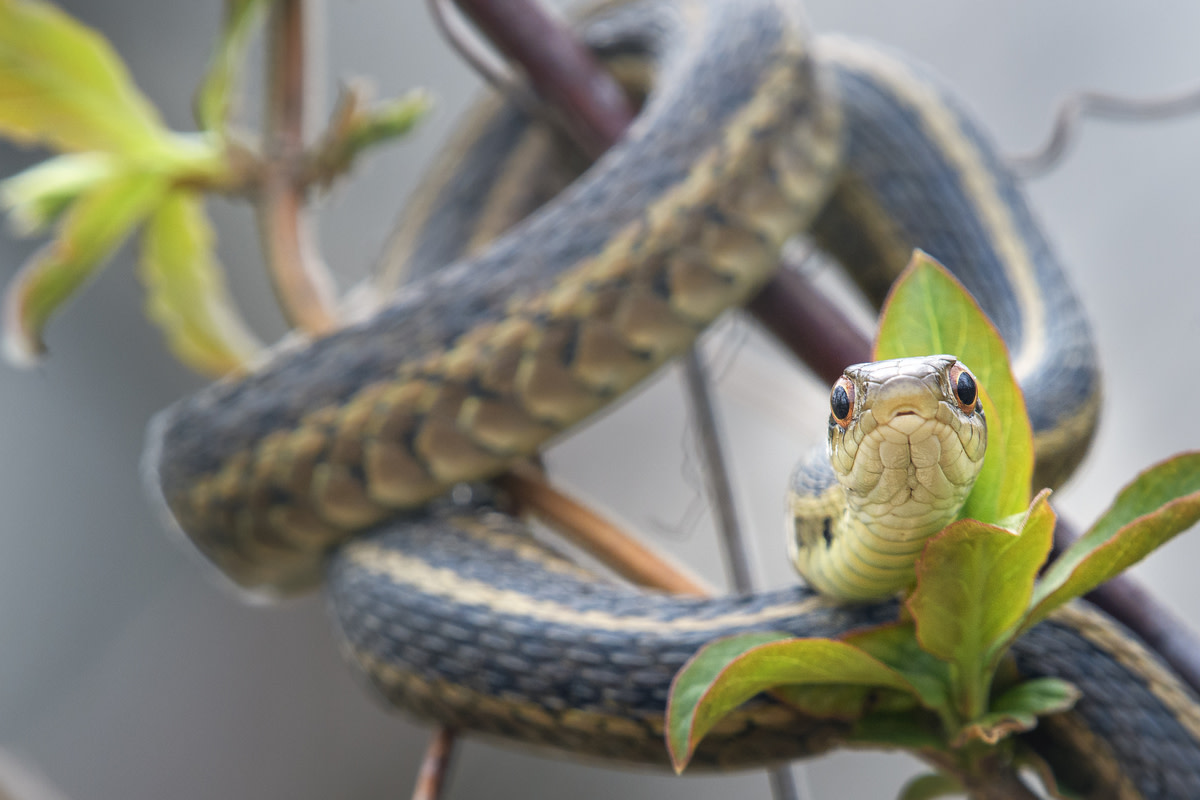
There’s a chance you may have spied these little guys in your garden before, as garter snakes live all across North America from southern Canada all the way down to Costa Rica. Garter snakes are small and active yet fairly easy to handle, making them a very good beginner pet snake for space-conscious pet parents. Keep in mind, however, that wild garter snakes aren’t as used to people and may be more likely to lash out. They may also carry diseases or parasites that could leave them with serious health problems—and you with a serious vet bill. Despite their prevalence in the wild, don’t try to catch a wild garter snake yourself—only get a captive-bred one.
California King Snake
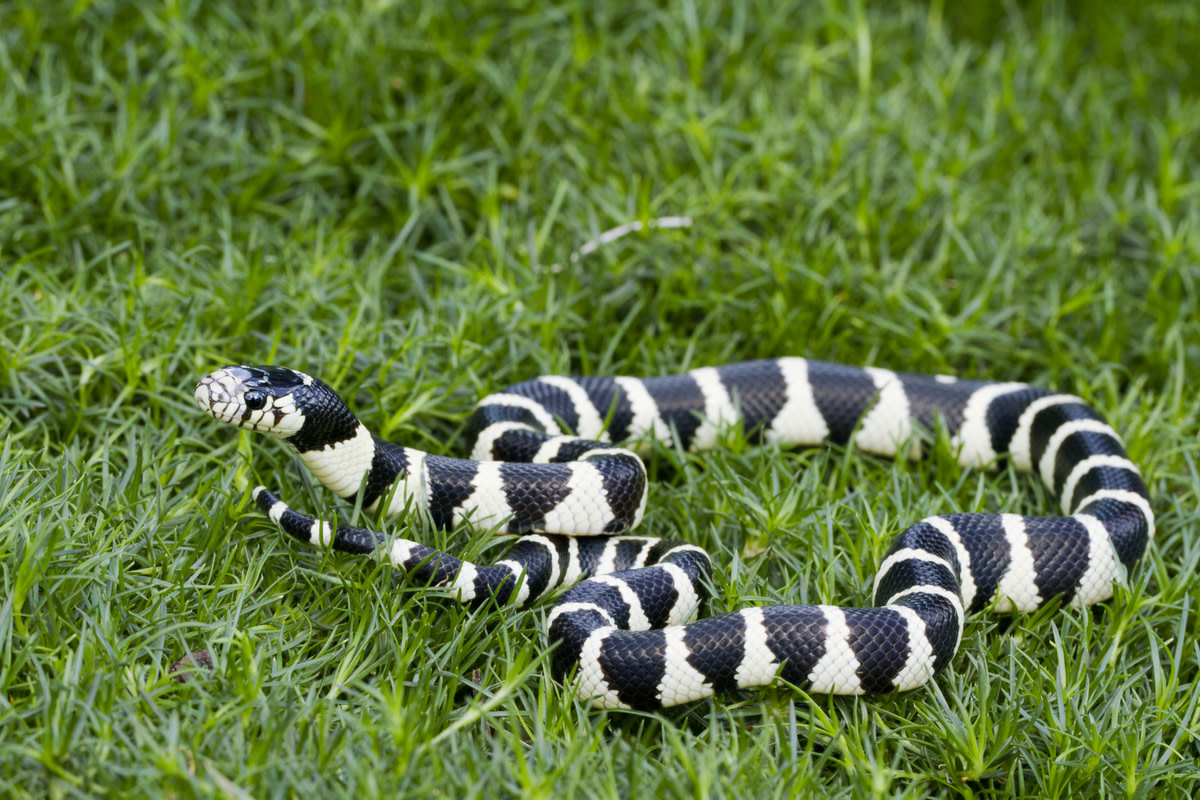
These black-and-white-banded beauties technically have the potential to grow up to 6 feet long, but most adult California kings max out at just 4 feet. Like other colubrids, these snakes are very active, as I can actually attest from personal experience—we have a California king snake at home, and he spends most of his time burrowing through the substrate or climbing over branches in his enclosure. There’s never a dull moment when our California king is out and about! Just be mindful that California kings, along with most of their fellow colubrids, are master escape artists, so keep their enclosures tightly latched!
Western Hognose
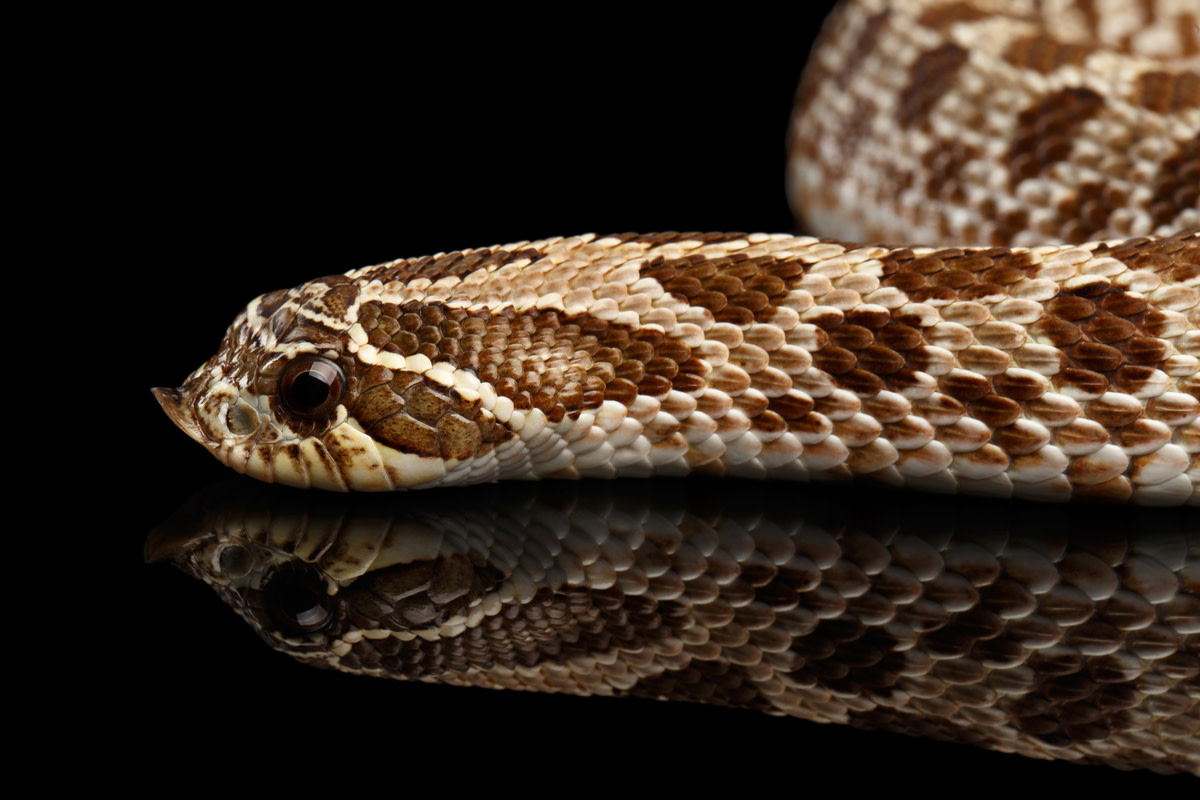
Though Western Hognose snakes may look reminiscent of rattlesnakes due to their patterning, and can even flatten their heads into cobra-like hoods when threatened, they’re not at all deadly. In fact, Western Hognose snakes are very shy, to the point where they’ll often play dead if they feel frightened. Poor little shy guys!
Like their colubrid cousins, Hognoses love to dig, which they do skillfully using their upturned noses like shovels. Since Hognoses only grow to a maximum of three feet, they can live comfortably in smaller enclosures. However, prospective Hognose parents should know that they can be picky eaters at times, so be mindful of that in case your snake starts turning its snub nose up at its food!
Corn Snake
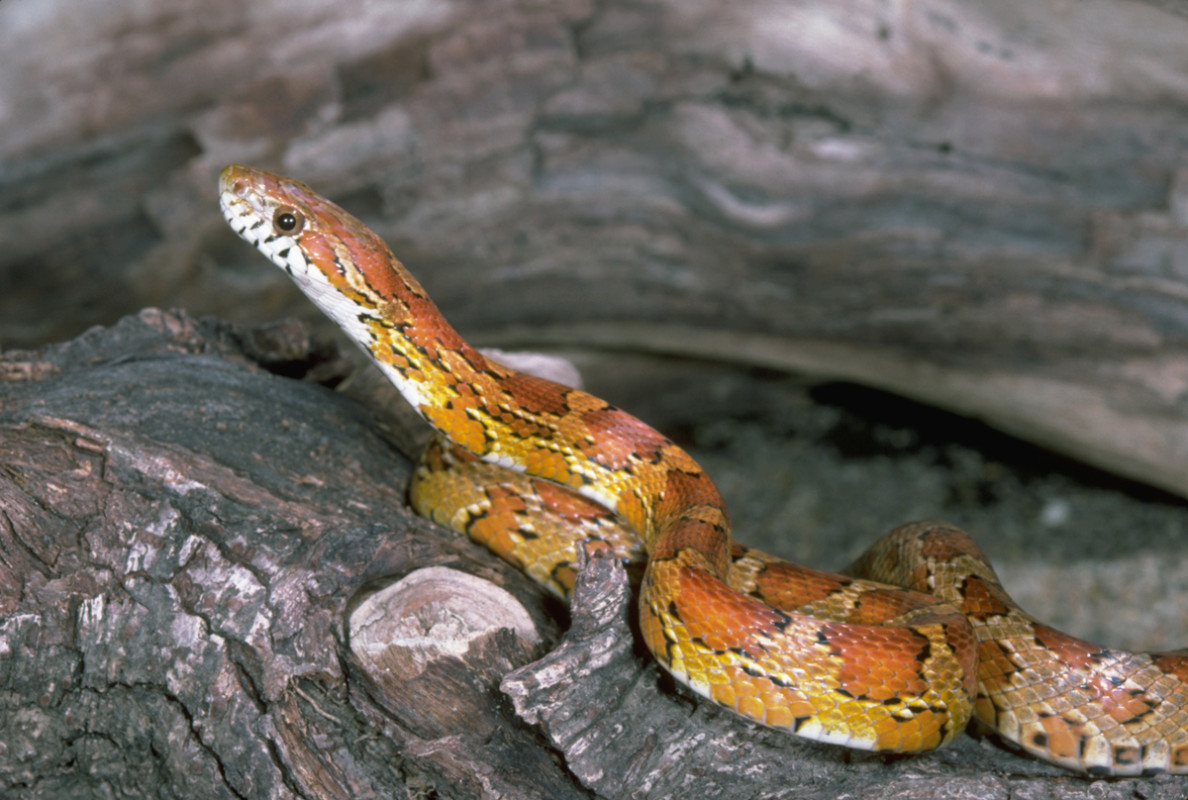
Corn snakes might just be the ultimate starter pet snake breed out there. Corn snakes are long-lived, low-maintenance, docile, adapt well to handling, are good eaters, and are stunning with their slender bodies and bright red, orange, and yellow scales (their most standard colors, though corn snakes have been bred in other color varieties). Because they’re so calm and easy to care for, they’re one of the best pet snakes for kids starting out on their reptile-raising journey. Best of all, because they’re such a popular variety of pet snake, you can find them for fairly cheap at most pet stores!
Related: How to Set up a Plastic Tub for Ball Pythons
Snake Care Basics: What You’ll Need
These aforementioned small snakes are calm and easy pet reptiles, but just because the varieties we listed here are fairly low-maintenance doesn’t mean that you should skimp on the essentials. When it comes to caring for any snake, you’ll need to have all of these:
Enclosure
A good enclosure will have plenty of space for your snake to move around, clean substrate that you clean or replace regularly, decorations like rocks and branches for your snake to climb on or hide under, and the proper humidity and temperature levels for their species. When choosing an enclosure size, Snake Snuggles recommends looking for a cage that’s at least 1-1.5x as long as your snake’s total body length and half as wide as their length (if your snake is still growing, you can guesstimate based on the expected full-grown length for their species). Research is important for putting together the right environment for your snake’s specific needs, but the good news is that once you’ve got your enclosure set up, it’s usually pretty simple to clean and maintain it!
What You’ll Need for Your Enclosure:
- Appropriate Housing, such as a vivarium or glass/plastic tank
- Substrate: Different types work better for different environments and humidity levels, but some popular types include cypress mulch, coconut husk, and Astroturf (note that Astroturf should not be used for burrowing snakes like hognoses and king snakes—they need loose substrate to dig through)
- A water bowl big enough for drinking and bathing—your snake may want to use it for a soak from time to time
- A heat source like a heating pad or heat lamp—do NOT use “hot rocks,” as these can burn your snake’s belly
- Branches, rocks, and other climbable decor
- A hiding spot—this can be a snake cave, a box, a hollow log, etc. Snakes enjoy their privacy as much as we do!
- Recommended: A UVB lamp to provide them with a source of vitamin D3
Diet
Most of the snakes listed here eat about once every 1-2 weeks on average, but it’s important to read up on your snake’s specific needs based on their age, species, and activity level. Feeding them too infrequently can make them food-aggressive, but feeding them too often can also put them at risk of obesity. Keep your snake’s feeding schedule consistent and appropriately spaced out.
Some of these snakes will eat small rodents and pup rats, while some—especially very small pet snakes like garter snakes—enjoy slugs, earthworms, and other small bugs. No matter what your snake eats, however, ONLY feed them store-bought prey. Wild rodents and bugs can contain parasites, pesticides, viruses, and other things that can make your snake very sick.
There’s also the debate on whether you should feed your snake live or frozen prey. Many snakes prefer live prey because it appeals to their natural hunting instincts, but it also puts them at risk of being bitten or scratched by their prey—plus, many animal lovers are understandably squeamish about having to feed a cute little living critter to their snake. For safety reasons, frozen prey is the recommended choice among most snake experts, but if you want your snake to eat it, you’ll have to take some steps to make their frozen food more appealing.
Food Tips:
- Thaw it out properly—your snake doesn’t want ice-cold food any more than you do
- Warm it up—the idea is to get the thawed prey’s body temperature up so the snake thinks its alive. You can do this by setting your thawed prey under a heat lamp for a while, or by sealing them in a Ziploc bag and submerging them in warm water for a few minutes. Use an infrared thermometer gun to check their temperature every few minutes until they are up to temp.
- Wiggle with your tongs: For obvious reasons, finger-feeding your snake is not recommended. Use a pair of long feeding tongs to lower the prey into the cage while keeping your hands out of the way. Try to get the prey close to the snake’s head, then wiggle it around a little to make it seem alive. A little motion will usually entice a hungry snake to strike out at its prey. Once your snake has its prey, let them eat it, and give them about a day or two of downtime to rest and digest.
Safety Tips for New Snake Owners
Do Your Research: I’m sorry if I sound like a broken record harping on the need for research, but doing your due diligence is absolutely essential. Ball pythons have different needs than corn snakes have different needs than garter snakes and so on. Make sure you’re well prepared and understand exactly what your snake needs before you buy it so that you can give them a happy, healthy, and comfortable home.
Handle With Care: No reptile parent wants to stress their snake out, and while a bite from any of these species won’t be deadly, that doesn’t mean it’ll be pleasant. Start out slow while you and your snake are getting acquainted, and keep your handling sessions short at first until the snake starts getting comfortable around you. Pick your snake up gently around the midbody and use your other hand to give it additional support further down. Look out for signs of stress like hissing, striking, tail rattling, or hiding—if your snake seems stressed, it’s time to put them back and give them a break.
Buy Captive-Bred Snakes: As briefly discussed above, wild snakes are more prone to aggression, and they also have a higher risk of carrying diseases or parasites. Only by captive-bred snakes, either from the pet store or—ideally—from a reputable breeder.
Don’t Get A Venomous Snake: Venomous snakes are dangerous, hard-to-handle pets even for the most experienced reptile caretakers. If you’re a first-time snake owner, venomous species should be nowhere on your list. It’s not worth potentially losing life or limb over, and besides, with so many great non-venomous snake species to choose from, why get one that might kill you? Skip the venomous vipers and pick up a charismatic colubrid or a pint-sized python—you’ll have a lot less stress and a lot more fun!