

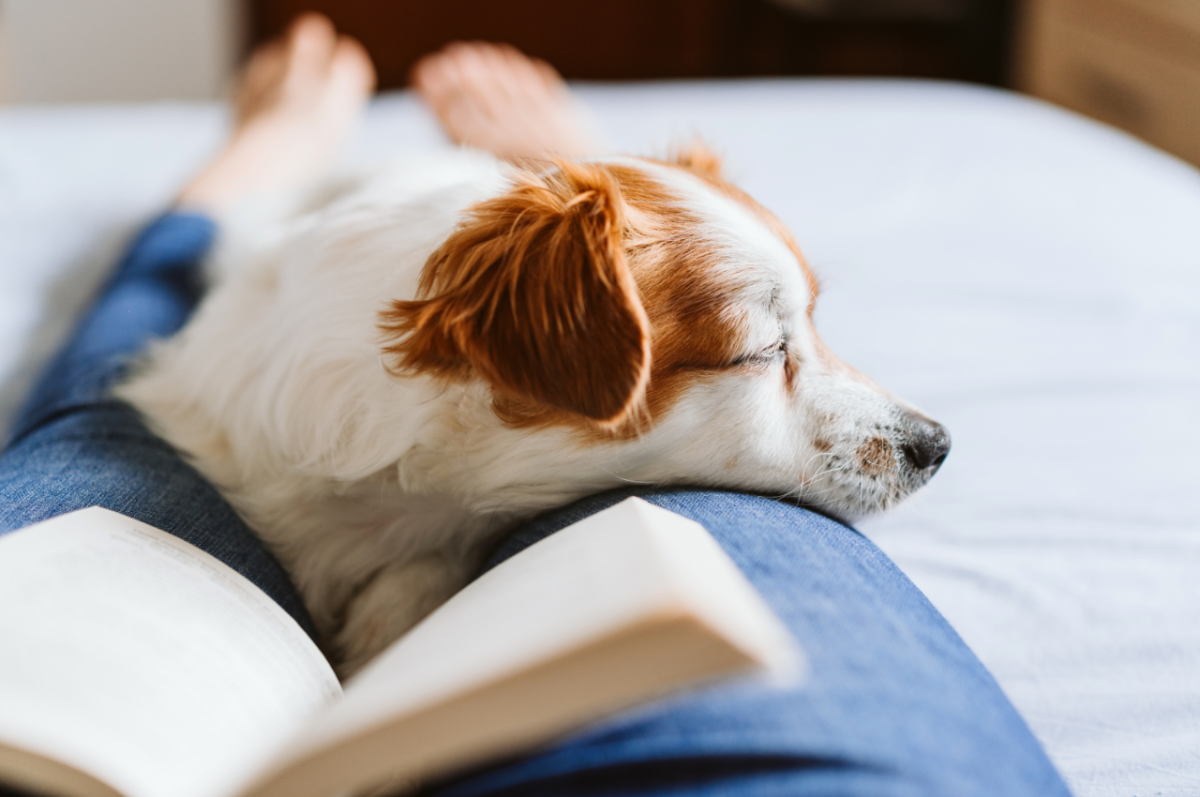
There are several ways that dogs show us we have a special bond, but in our busy lives, they often go unnoticed. Dogs sometimes show that they trust us when we’re family, a member of their pack, and these are the things I’ve noticed in my own relationships with my dogs.
Related: 7 Signs Your Pet Loves You, According to a Vet
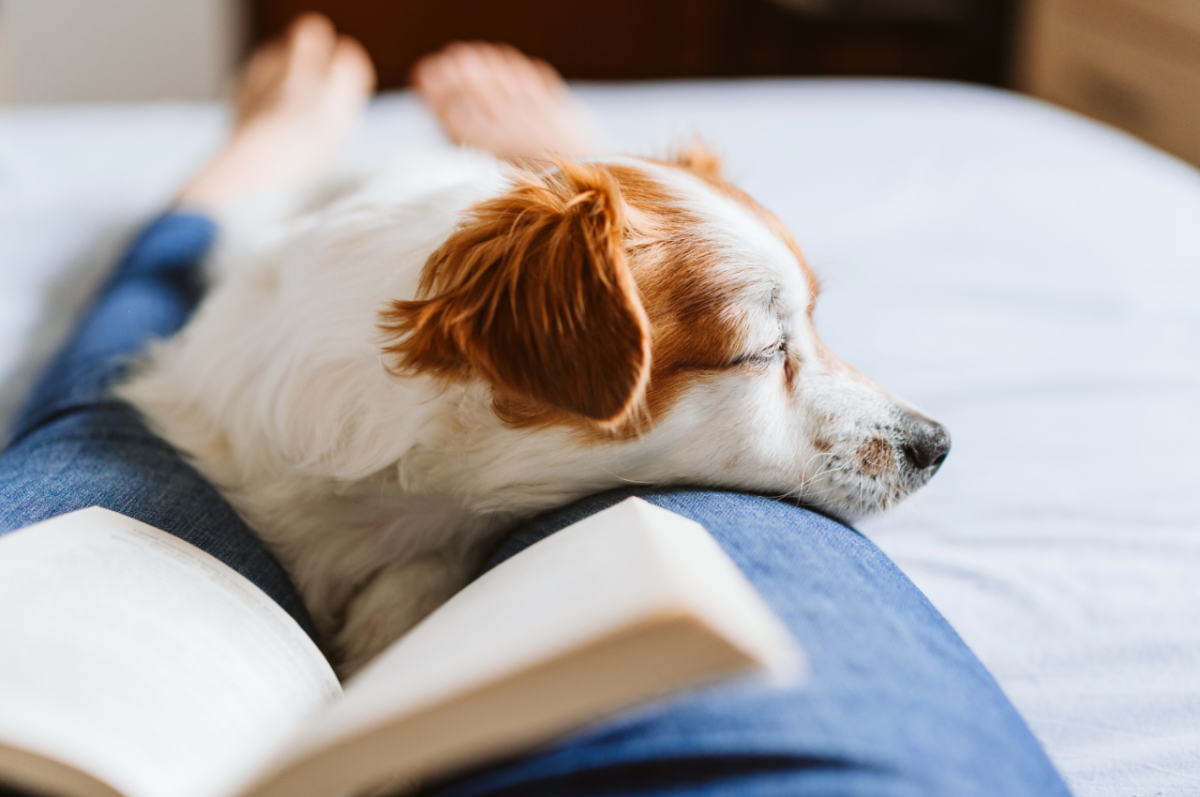
1. They Choose to Sleep Close to You
Dogs are vulnerable when sleeping and choose to sleep next to the person they trust. Dogs that don’t feel that same level of trust will choose to sleep as far away as possible.
2. They Accept Your Lead at All Times
Even when just woken up! Some behaviorists believe that dogs bite when awoken because of a startle reflex, while others think that it’s a trust issue.
3. They Sleep on Their Backs With Their Bellies Exposed
Young wolves do this to show their submission to their parents and older wolves in the pack, but they never willingly expose their abdomens to wolves they don’t trust.
4. They Follow You Around the House
There’s a big difference between a “velcro dog” suffering from separation anxiety and a dog that follows out of a sense of trust. Dogs that trust you just want to be next to you and will do fine when alone or with another dog, unlike those who have separation anxiety.
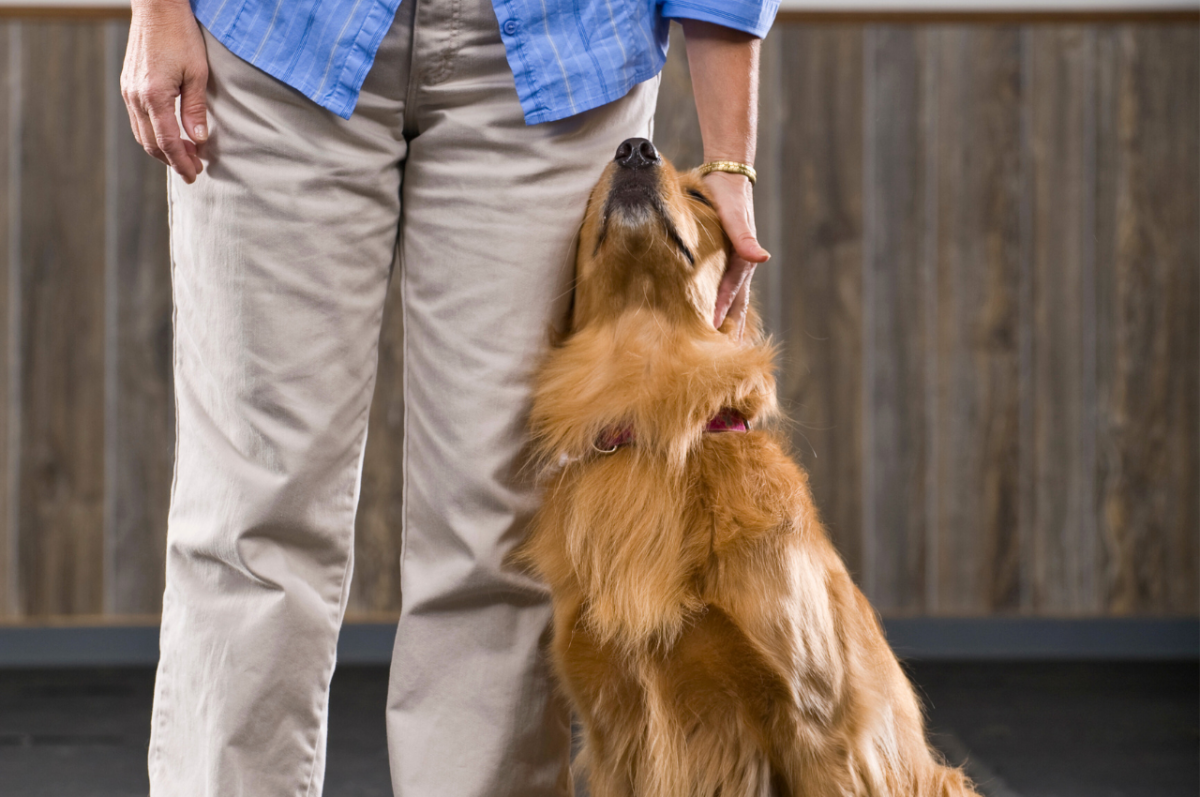
5. They Lean Into You
I notice this a lot in the clinic, as new dogs that have not yet bonded act differently from pets that are part of the family. When dogs come in for a healthy pet exam and are nervous because of the new smells, they’re likely to lean against or hide behind those they trust.
6. They Greet You by Trying to Lick Your Face
Although some people believe that licking the face is a method dogs use to ask for food, it’s also a method that young wolves use to show submission to other members of the pack, their family.
7. They’re Easier to Train
There are numerous articles on every dog site out there on the easiest breeds to train. Although breed is very important, there can also be a big difference between individual dogs and who’s doing the training.
Some people seem to have the ability to bond with most dogs very easily, but the best training results are usually seen when the trainer is a member of the family.
8. They Stare Into Your Eyes
There’s a physiological reason dogs stare into our eyes: Looking at us causes a release of oxytocin, a parenting hormone. Dogs do stare at us while expecting food or a caress, but this doesn’t account for all the times they look into our eyes.
Is There More I Can Do to Build My Dog’s Trust in Me?
Of course there are ways we can improve our relationships with our dogs. No matter how much you do, there’s more that can improve your bond. My personal problem is that when I come home, I’m still focused on work and am more likely to sit down and check my email or watch some political videos than wrestle with my dog.
Some of the steps we can take to improve our relationship so that our dogs are more prone to trust us include:
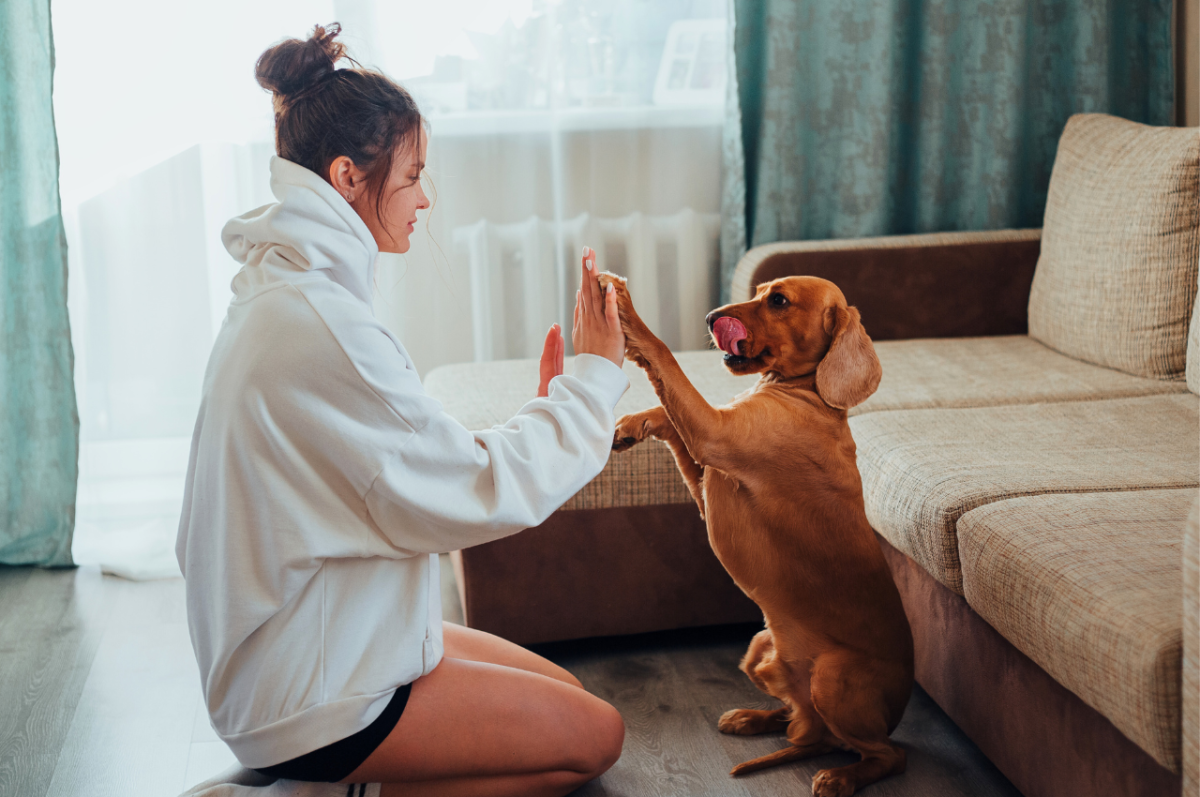
- Playing with your dog more: I mention wrestling since my dogs are larger and much more interested in tug-of-war than chasing a ball. This will vary for each dog, and if you spend more time with your dog, you’ll know which activities they prefer.
- Training your dog every day: Just like training a puppy, this doesn’t have to take a lot of your time. Reinforcing the basics, like sit, stay and come, has a great effect, and of course, if you teach some new commands, your dog will enjoy your time together even more. Obedience training isn’t going to prevent a dog from biting, but developing a bond with your dog (by doing the training yourself) will make it unlikely to happen.
- Walking your dog at least three times a day: Walking has many benefits, including physical benefits and improvements in mental health, just by exploring the area and getting a chance to sniff new smells. Walking your dog will also improve your bond, so the more often you go out, the better your dog will be.
- Taking your dog with you on a car ride, camping or a hike: Your dog will bond with you more if you include them in more of your activities. There are places dogs can’t go, and you should never leave your dog in the car when you’re inside, but if you’re going out and the dog can go, car rides are a great opportunity to build trust. Your pet certainly won’t mind that you can’t pay attention to them while driving, as they’re perfectly happy just to be in your company.
Dogs are individuals, and if you take the time to learn your pet’s body language and individual differences, they’ll respond more positively to you. Your dog will trust you even more.
That’s what all of us want, right?
Up Next:
Related: The Most Common Mistake Pet Owners Make—And How to Avoid It
Sources
- Payne E, Bennett PC, McGreevy PD. Current perspectives on attachment and bonding in the dog-human dyad. Psychol Res Behav Manag. 2015 Feb 24;8:71-9. doi: 10.2147/PRBM.S74972. PMID: 25750549; PMCID: PMC4348122. https://pmc.ncbi.nlm.nih.gov/articles/PMC4348122/
- Reisner IR, Shofer FS, Nance ML. Behavioral assessment of child-directed canine aggression. Inj Prev. 2007 Oct;13(5):348-51. doi: 10.1136/ip.2007.015396. PMID: 17916894; PMCID: PMC2610618. https://pmc.ncbi.nlm.nih.gov/articles/PMC2610618/