

Nature is incredible. From the deepest oceans to the highest mountains, animals have evolved in ways that are nothing short of astonishing. Every species on Earth is a living, breathing survival strategy.
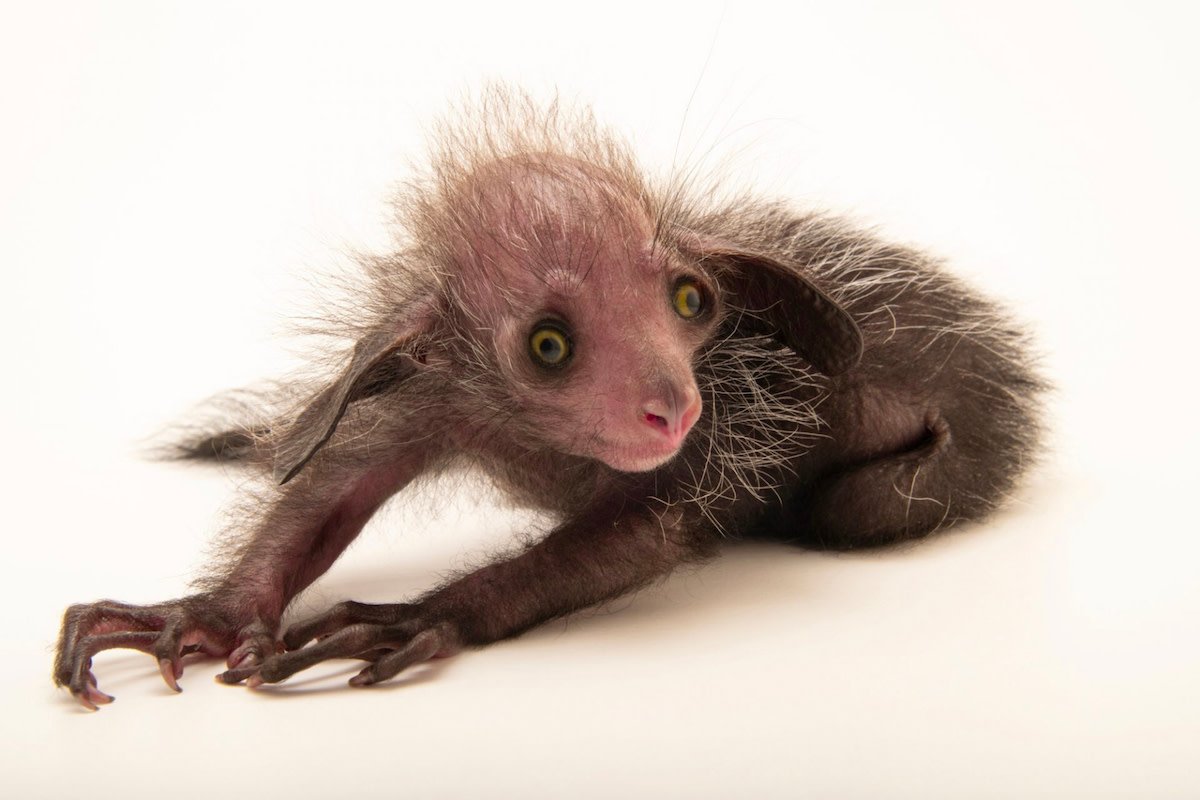
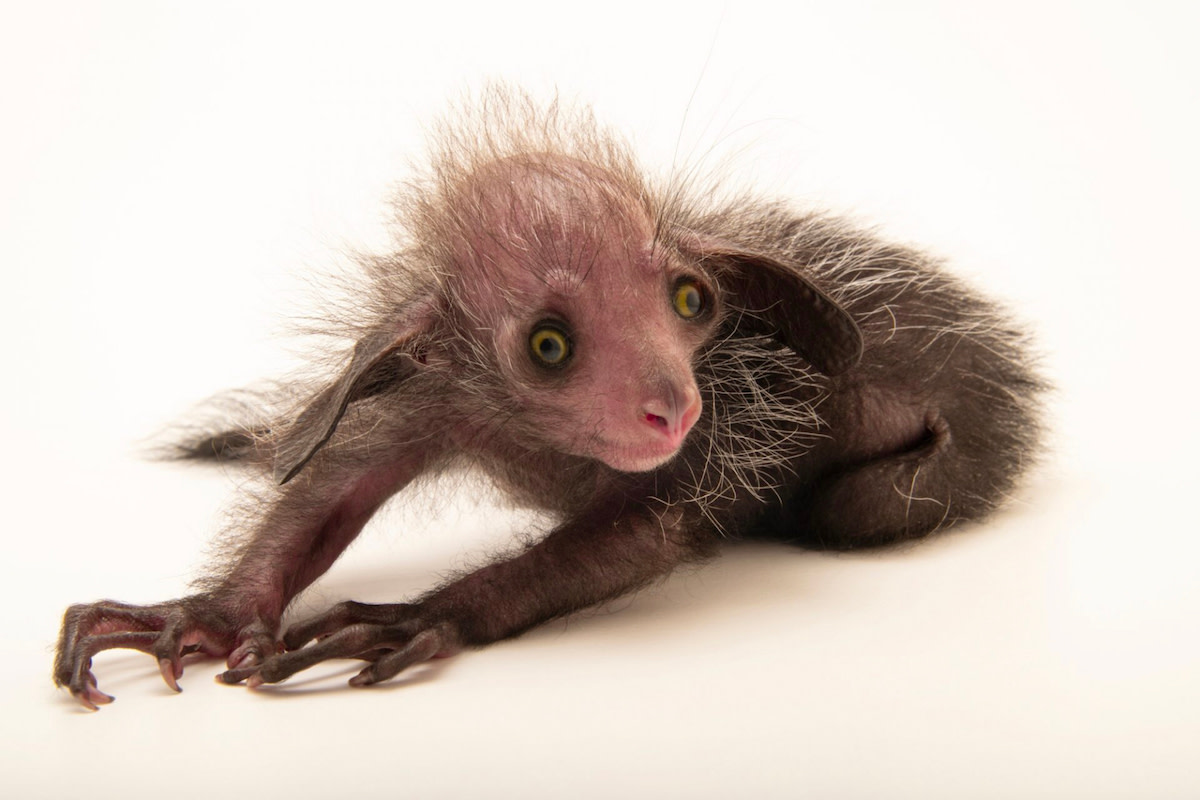
And no animal embodies the quirky brilliance of adaptation quite like the Aye Aye. As you’ll see in the video, with his bulging eyes and big ears, it reminds me of a Gremlin that mated with a raccoon. Bizarre and confusing to behold, but let’s look at how the Aye Aye is a literal miracle of nature.
@natgeo With its scraggly fur and piercing gaze, the aye-aye—filmed here by @Joel Sartore —has often been considered bad luck, but these misunderstood primates could be vital for conservation. Clove trees on the east coast of Madagascar have been ravaged by leaf miner larvae—which aye-ayes happen to be very good at hunting. Learn more about nature’s unloved animals at the 🔗 in bio. Narrated by @Ryan Reynolds, #Underdogs premieres Sunday, June 15 at 9/8c on @National Geographic TV, simulcast on ABC. Streaming next day on @Disney+ and @hulu.
Found in Madagascar, the Aye Aye looks like something out of a fevered dream. Their bulging eyes, huge ears, overbite, and shaggy fur (among other attributes) look almost pieced together like some kind of hybrid. But make no mistake, this animal is a masterclass in evolution.
Related: Audubon Society Shares Fascinating Video of How Female Birds Incubate Their Eggs
Their large eyes? They have a reflective layer on the back of their eyes which helps improve their night vision. Those huge ears and the long finger? The ears help them hear insect movement and identify the hollow areas in trees where they use their elongated fingers to reach inside the wood and extract their meal. Their dark fur helps to camouflage them while hunting in the forest. Their continuously growing teeth help them to gnaw into trees. Every detail on the Aye Aye serves a purpose.
The Aye Aye is living proof that sometimes strange is brilliant. In a world full of fierce competition, their “weirdness” serves as the ultimate advantage.
Aye Ayes are endangered with man being the number one threat to their numbers, which are estimated to be between 1,000 and 10,000. Destruction of their natural habitats and crop pests are huge issues. In addition, many in the area view Aye Ayes as harbingers of evil and doom and will kill these poor creatures on sight.
So, the next time you marvel at a chameleon’s color shift or the trunk of an elephant, remember the Aye Aye. Nature didn’t make it typical, nature made it effective. In the grand scheme of animals and survival, that’s the most amazing feat of all.