

The BBC will soon charge US users for full news access. In Britain, it may seem a distant prospect, but if universality can be dropped abroad, how long before it’s tested at home? With the BBC’s charter due for renewal in 2027, the funding debate is intensifying. What becomes of the licence fee will define the broadcaster’s future.
There is increased scrutiny of Auntie’s independence and impartiality after political pressure was applied through censure, funding freezes and contentious board appointments. What the BBC should look like in a fragmented media landscape is uncertain. A big question is whether the licence fee levied on households should be replaced by subscription, limited advertising or public funding. The last option is surely a non-starter, opening the door to more direct political control. Carrying adverts would force the BBC to compete with other broadcasters for cash, and destabilise existing providers. A subscription-style BBC, even if technical hurdles were overcome, wouldn’t be a national institution. Those most in need of public-service media – navigating disinformation, political alienation or regional marginalisation – would be left out. Once you charge, the question isn’t how to inform, educate and entertain the public; it’s who can afford to be included. Partial subscription might keep some core services – like news – free, while others are paywalled. This would entrench a two-tier public service.
The BBC is a large organisation and not without its faults. But critics with vested interests often exaggerate them. What began as commercial pressure has been inflamed by culture wars. Success – from Peaky Blinders to Blue Planet – has not shielded it from attack. No wonder the director-general, Tim Davie, warned in May of a looming “trust crisis”. It’s now easier to list the political groups at war with BBC News than those who trust it.
The row over Glastonbury – and the BBC’s retreat – underscores the pressure on Mr Davie. But the broadcaster’s fight isn’t just with critics. It’s also battling for attention in an ecosystem flooded by algorithmic noise. Since the last charter renewal in 2016, streamers, podcasts and AI have disrupted the landscape, collapsing trust in “legacy” media. When outrage spreads faster than facts, and filter bubbles shape belief, the BBC’s global stature as a respected public institution matters more than ever.
Every government leans on the BBC – at a price. The BBC pulled a documentary, Gaza: Doctors Under Attack, citing vague concerns about “partiality”. Channel 4 aired it instead. Meanwhile, Robbie Gibb, a controversial Johnson-era appointee, helps shape BBC editorial priorities as a board member. A former Tory spin doctor, he became the Jewish Chronicle’s owner, appointing an editor who pushed a hardline pro-Israel stance and oversaw multiple scandals. He refused to reveal who was funding the paper. His role in guiding how the BBC reviews its Middle East coverage raises concerns about impartiality. More than 400 media figures last week called for his removal. His departure is long overdue.
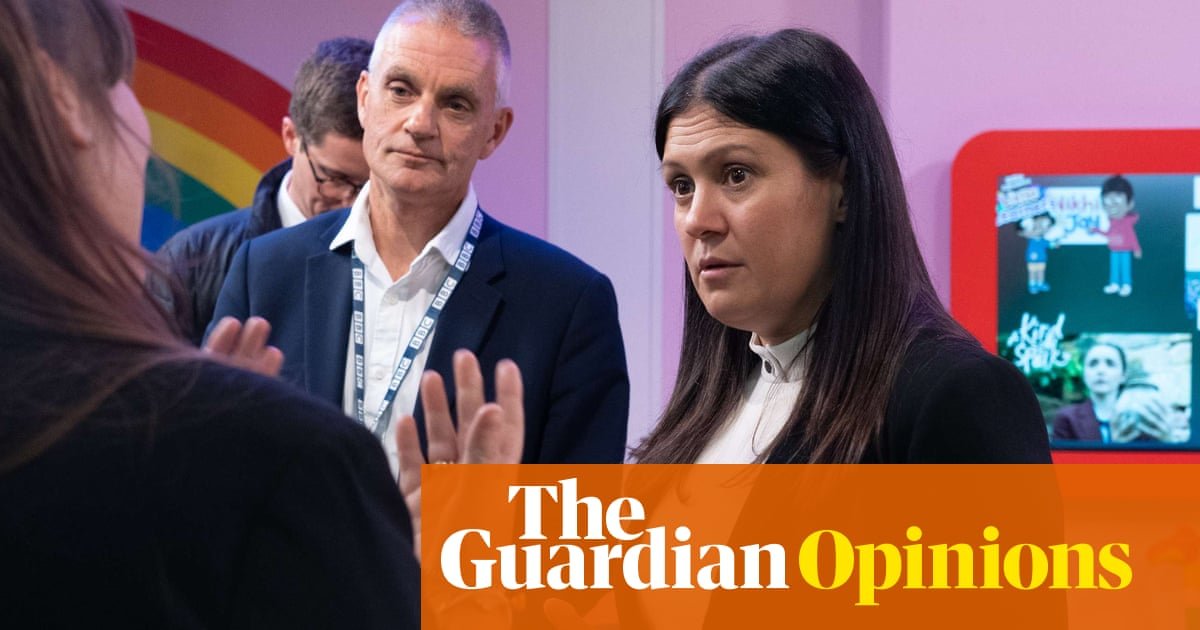
In 1977, the Annan committee reimagined broadcasting for a changing Britain. Channel 4 was the result. The culture secretary, Lisa Nandy, who has sensibly called for a modern Annan‑style review, is chary of backing Mr Davie. But broader reform is needed in a time of distrust and disruption. For the BBC, this could offer not just a funding fix but a democratic roadmap. The charter review must rebuild a trusted civic platform – a public good, not a private preserve.
-
Do you have an opinion on the issues raised in this article? If you would like to submit a response of up to 300 words by email to be considered for publication in our letters section, please click here.